


Steel supplies play a critical role in various industries, from construction and manufacturing to automotive and aerospace. Ensuring that you select high-quality steel supplies is essential for the durability, safety, and efficiency of your projects in Adelaide. Whether you are a seasoned professional or new to working with steel, understanding how to evaluate quality in steel supplies is crucial. Here’s a comprehensive guide on what you need to know.
Understand the Types of Steel
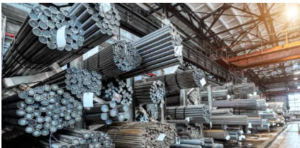 Steel is not a one-size-fits-all material. It comes in various types, each suited for different applications. The primary categories include:
- Carbon Steel: Contains carbon as the main alloying element. It’s used in construction and manufacturing for its strength and hardness.
- Alloy Steel: Includes other elements like chromium, nickel, or molybdenum to enhance specific properties. It’s ideal for high-stress applications.
- Stainless Steel: Popular for its corrosion resistance due to chromium content. It’s used in environments where rust is a concern.
- Tool Steel: Designed for making tools and dies due to its hardness and excellent ability to withstand high temperatures.
Identifying the right type of steel for your project is the first step in evaluating its quality.
Check the Steel Grade
Steel is categorised into different grades based on its composition and properties. Each grade has specific standards that it must meet. For instance, the ASTM (American Society for Testing and Materials) standards outline various steel grades. Common grades include:
- A36: A general-purpose carbon steel used in structural applications.
- 304: A popular stainless steel grade known for its resistance to corrosion.
- 4140: An alloy steel used in heavy-duty applications.
Always verify the steel grade to ensure it meets your project’s requirements. Suppliers should provide certification that details the steel’s grade and compliance with relevant standards.
Evaluate Mechanical Properties
Mechanical properties are crucial indicators of steel quality. Key properties to assess include:
- Tensile Strength: The maximum stress that steel can withstand while being stretched or pulled before breaking.
- Yield Strength: The amount of stress required to permanently deform the steel.
- Hardness: Resistance to deformation or indentation, which affects wear and tear.
- Impact Toughness: The ability of steel to absorb energy during impact without fracturing.
These properties can be determined through various tests, such as tensile tests and impact tests. Ensure that the steel supplies you choose have mechanical properties that align with your project’s needs.
Inspect Surface Finish and Dimensions
The surface finish and dimensions of steel supplies can affect their overall performance and suitability for specific applications. Inspect the steel for:
- Surface Quality: Look for defects like cracks, rust, or pitting. A smooth, clean surface indicates better quality.
- Dimensional Accuracy: Ensure that the steel meets the specified dimensions and tolerances.
A high-quality steel supply should have a consistent surface finish and precise dimensions.
Verify Compliance with Standards
Steel supplies must comply with industry standards to ensure quality and reliability. These standards include:
- ASTM Standards: These standards provide specifications for various types of steel, including chemical composition, mechanical properties, and manufacturing processes.
- ISO Standards: International standards that cover quality control, safety, and performance of steel products.
- EN Standards: European standards that specify requirements for different types of steel and their applications.
Check for certification or documentation that confirms the steel meets these standards. Compliance ensures that the steel has been tested and verified to meet specific quality criteria.
Assess the Supplier’s Reputation
The reputation of the supplier can be an important indicator of the quality of steel supplies. A reputable supplier should:
- Provide Transparent Information: Offer detailed specifications, certification, and test results for their products.
- Have a Track Record of Quality: Demonstrate a history of providing high-quality steel supplies and excellent customer service.
- Offer Support and Expertise: Provide guidance and support in selecting the right steel for your project and addressing any issues that arise.
Research the supplier’s background, read reviews, and seek references to ensure you are dealing with a reliable source.
Conclusion
Evaluating the quality of steel supplies involves understanding the types of steel, checking grades, assessing mechanical properties, inspecting surface finish and dimensions, verifying compliance with standards, evaluating supplier reputation, considering price, and reviewing delivery conditions. By paying attention to these factors, you can ensure that you select steel supplies that meet your project’s requirements in Adelaide and deliver the performance and durability needed. With the right approach, you can confidently source high-quality steel supplies and achieve successful outcomes in your projects.