
Category: Uncategorized

Net Replacement Film: Enhancing Silage Efficiency and Weather Resistance for Modern Farms

As Australia’s agricultural landscape continues to evolve, so too does the need for more intelligent, more reliable systems to preserve forage quality and maximise productivity. Among the most promising innovations in this space is the flexible net replacement film, a modern alternative to traditional silage netting that is gaining traction on progressive Australian farms. Designed to improve silage integrity, boost efficiency, and enhance resistance to Australia’s often harsh and unpredictable weather conditions, this technology is redefining forage conservation.

Understanding Flexible Net Replacement Film
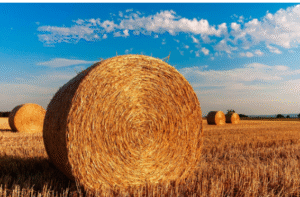
flexible net replacement filmFlexible net replacement film is a high-strength, multi-layer plastic film that replaces traditional net wrap in silage bale wrapping systems. Unlike standard netting, which primarily offers structural containment, this film provides a dual function: securing the bale while also offering a barrier against oxygen and moisture. This all-in-one solution reduces the number of materials needed during baling, simplifies logistics, and contributes to higher silage quality.

In Australian conditions—characterised by extreme heat, unpredictable rainfall, and occasional drought—these features are more than just conveniences; they are critical for farm resilience and feed reliability.

Advantages Over Traditional Netting

One of the key reasons Australian farmers are shifting to flexible net replacement film is its efficiency. Traditional net wrap often requires a separate plastic film layer to complete the ensiling process. In contrast, net replacement film allows direct transition from baling to wrapping, reducing the time and labour involved.

Improved Weather Resistance

Flexible net replacement film is designed to withstand UV radiation, high winds, and moisture, making it particularly well-suited to Australian climates. It’s an airtight seal that significantly limits oxygen ingress, which is essential in preventing spoilage, mould development, and nutrient degradation.

Enhanced Bale Shape and Stability

Thanks to its elastic and uniform stretch characteristics, the film maintains tight, consistent pressure across the bale. It leads to denser, more uniform bales that are easier to stack and store—a key benefit for farmers working with limited storage infrastructure or in variable terrain.

Labour and Time Savings

With fewer materials to handle and fewer wrapping steps required, flexible net replacement film streamlines the entire forage conservation process. It translates into fewer hours on the field, lower fuel consumption, and reduced machinery wear.

Silage Quality: A Measurable Improvement

Silage quality is central to the performance of livestock operations, especially in regions where natural pasture is seasonal. Oxygen is the enemy of high-quality silage, and the airtight properties of flexible net replacement film provide a superior seal compared to net-and-wrap systems.

Independent studies and on-farm trials in Australia have shown that bales wrapped with net replacement film maintain higher levels of digestible energy and protein. Additionally, they exhibit lower pH levels, indicating a more effective fermentation process, which translates directly to better livestock health and productivity.

Environmental and Economic Benefits

Sustainability is an increasingly important concern in Australian agriculture. Flexible net replacement film contributes to more environmentally responsible farming in several ways:

Reduced Plastic Use

Though it may seem counterintuitive, using flexible net replacement film can actually reduce the total volume of plastic on the farm. Because one material does the job of two, there is less waste generated per bale.

Recyclability

Most modern net replacement films are designed with recycling in mind. When disposed of properly through established agricultural recycling programs, the environmental footprint can be significantly reduced.

Cost Efficiency

While the upfront cost of flexible net replacement film may be higher than traditional netting, the long-term savings on labour, fuel, and spoilage loss often offset the investment. In many cases, Australian farmers report increased profitability thanks to better forage preservation and reduced feeding losses.

Conclusion:

Flexible net replacement film is more than just a replacement for netting—it’s a game-changer for forage conservation. As Australia’s agricultural sector continues to prioritise efficiency, quality, and resilience, innovations like this will play a critical role in securing the future of farming.

With proven benefits in silage quality, time savings, environmental impact, and weather resistance, flexible net replacement film is fast becoming the standard for modern farms across Australia. For producers aiming to stay ahead of the curve while ensuring sustainable and profitable operations, adopting this technology is a practical and forward-thinking step.

Neff Oven: Elevating Home Baking with Precision and Style

In recent years, Adelaide’s baking scene has experienced a remarkable evolution. From passionate home bakers to ambitious entrepreneurs launching home-based bakeries, one appliance is consistently rising above the rest: the Neff oven for baking. With its unique blend of German engineering, innovative features, and sleek aesthetics, the Neff oven has become a trusted favourite in South Australian kitchens. This article examines why Adelaide bakers are opting for Neff ovens and how this brand is revolutionising the art of home baking.

Precision Baking with Neff’s CircoTherm® Technology

Neff oven for bakingOne of the standout features that makes a Neff oven for baking so desirable is its CircoTherm® technology. Unlike conventional fan ovens, CircoTherm® allows bakers to cook multiple dishes on multiple levels without the flavours intermingling. Whether you’re baking sourdough on the bottom shelf and croissants on the top, or roasting vegetables alongside your sponge cake, you can rely on consistent, even heat distribution.
This precision is crucial for Adelaide bakers, who often deal with delicate pastries or temperature-sensitive desserts, such as macarons or meringues. The consistent airflow ensures every tray turns out evenly baked, with no burnt edges or undercooked centres — a common frustration with standard ovens.

Slide&Hide® Door: Functionality Meets Style

A signature feature of the Neff oven is the Slide&Hide® door — a unique retractable oven door that slides seamlessly under the cavity. For Adelaide bakers working in compact or open-plan kitchens, this innovation offers more than just a sleek appearance.

The Slide&Hide mechanism provides full access to the oven cavity without obstruction from a protruding door, making it easier to baste, check, or remove trays with both hands. It’s a practical solution for busy bakers managing multiple items or those with limited kitchen space, adding a professional flair that impresses visitors and clients alike.

Steam Baking for Artisan Results

Modern baking in Adelaide isn’t just about churning out muffins or birthday cakes — it’s about producing artisan-quality products. The Neff oven for baking comes equipped with FullSteam and added steam options, enabling bakers to replicate professional bakery conditions at home. The addition of steam in the baking process helps produce crustier breads, fluffier interiors, and glossy finishes on pastries.

For sourdough enthusiasts, this is a game-changer. Adelaide’s community of sourdough bakers has been growing rapidly, with an increasing number of home bakers mastering the art of natural fermentation. Neff’s steam-assisted baking ensures that high-hydrate doughs develop perfectly crusty exteriors without sacrificing internal moisture.

Intelligent Design for Adelaide’s Modern Kitchens

Neff ovens are known for their intelligent integration into modern kitchens. With minimalist design lines, intuitive touch panels, and stainless-steel finishes, these ovens complement the contemporary style often found in Adelaide homes. Whether you’re renovating an older home in the Adelaide Hills or building a sleek new property in Glenelg, a Neff oven offers seamless integration.

More importantly, these ovens are built with ergonomics in mind. The illuminated dials, soft-close doors, and user-friendly programs simplify the baking process, whether you’re a seasoned professional or a beginner trying out your first banana bread.

Custom Baking Settings: From Novice to Expert

Another reason Adelaide bakers are flocking to the Neff oven for baking is the intelligent baking assistance it offers. With an array of preset baking programs, even novice users can achieve expert-level results. From pizza to pastries, and from roasts to roulades, the oven automatically sets the ideal temperature and time, eliminating the guesswork from the process.

For experienced bakers who prefer more control, the ovens allow full manual customisation. Temperature control is exact, and advanced models even offer programmable baking stages — perfect for complex recipes that require multiple temperature changes.

Conclusion:

In summary, the Neff oven for baking has become more than just a luxury appliance — it’s a vital tool for Adelaide’s growing community of home bakers. With standout features like CircoTherm technology, steam baking, and the iconic Slide&Hide door, Neff delivers unmatched performance and aesthetic appeal.

Whether you’re a weekend baker whipping up treats for family or a full-time artisan selling sourdough at local markets, investing in a Neff oven means baking with confidence, creativity, and consistency. For Adelaide bakers who demand the best, the choice is clear — Neff is the oven that rises to every occasion.

Asbestos Removal Adelaide: What You Need to Know

Asbestos, once widely used in Australian homes and buildings for its durability and fire-resistant properties, is now recognised as a serious health hazard. In Adelaide, SA, professional asbestos removal is not just recommended—it’s essential for safety, compliance, and peace of mind. If you’re considering renovating, demolishing, or purchasing a property built before the 1990s, understanding the importance of a certified asbestos removal free quote is crucial.

Understanding the Risks of Asbestos Exposure

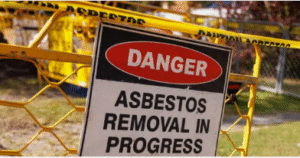
asbestos removal free quoteBefore diving into the removal process, it’s essential to understand why asbestos is so dangerous. When disturbed, asbestos fibres can become airborne and inhaled. Over time, this can lead to serious respiratory illnesses, including:
  • Asbestosis – A chronic lung disease caused by inhaling asbestos fibres.
  • Mesothelioma – A rare and aggressive cancer of the lining of the lungs or abdomen.
  • Lung cancer – Particularly in individuals who are also smokers.

Many Adelaide homes, especially those built before 1990, still contain asbestos in their roofing, insulation, cladding, pipes, and flooring. Even minor renovations can expose these hidden dangers, making professional asbestos removal a crucial step in ensuring a safe environment.

Where Asbestos is Commonly Found in Adelaide Homes

Adelaide’s architecture reflects decades of development, with many post-war homes featuring materials containing asbestos. Common locations include:

  • Roofing and eaves
  • Wall sheeting (especially in bathrooms and laundries)
  • Vinyl floor tiles and backing
  • Insulation in older heaters or stoves
  • Fencing panels and garden sheds

If you’re unsure whether your property contains asbestos, the first step is to request a free asbestos removal quote from a licensed professional. They can conduct an inspection and recommend a safe plan of action.

Why Choose Licensed Asbestos Removal Experts?

Attempting DIY asbestos removal is both dangerous and illegal without the appropriate training and certification. In South Australia, asbestos removal must comply with SafeWork SA regulations and be handled by licensed professionals who follow strict safety protocols, including:

  • Use of protective equipment
  • Sealing and containment of affected areas
  • Safe transport and disposal at designated facilities

Hiring professionals for asbestos removal in Adelaide ensures that every step is carried out safely and in accordance with the law. A reputable company will always provide a free quote for asbestos removal, clearly outlining the scope of work, timelines, and costs.

The Asbestos Removal Process: Step by Step

When you engage a licensed asbestos removal team in Adelaide, you can expect a structured, transparent process:

1. Inspection and Testing

A preliminary site inspection is conducted, and if asbestos is suspected, samples are taken to a NATA-accredited lab for testing.

2. Removal Planning and Quotation

Once asbestos is confirmed, the removal team develops a plan that includes safety measures, disposal methods, and project timelines. This plan is typically delivered with an asbestos removal quote that is free of charge.

3. Containment and Removal

The site is sealed, and negative air pressure may be used. Licensed technicians remove the asbestos using specialised tools and techniques.

4. Decontamination and Clearance

After removal, the area is thoroughly cleaned. Air monitoring and a clearance certificate are often provided to verify safety.

5. Safe Disposal

Asbestos waste is legally transported to a licensed disposal facility in accordance with South Australian regulations.

What to Look for in an Asbestos Removal Company

When requesting an asbestos removal free quote, look beyond the price. Consider the following:

  • Licensing and insurance: Ensure SafeWork SA licenses the company.
  • Experience: Choose a provider with a proven track record in both residential and commercial projects.
  • Customer reviews: Positive feedback from Adelaide residents is a reliable indicator of satisfaction.
  • Transparency: The quote should detail all costs, with no hidden fees.
  • Post-removal support: Ask if they offer air quality testing and clearance certificates after the job is done.

Selecting the right company protects not only your health but also your investment in your property.

Conclusion:

Asbestos is a silent danger that can remain hidden for decades. If your property was built before 1990, the risk is real—and ignoring it won’t make it disappear. Fortunately, Adelaide is home to several professional asbestos removal services that offer expert guidance and safe removal practices.

Obtaining an asbestos removal-free quote is the first step toward a safer and healthier environment. Whether you’re a homeowner, renovator, or commercial property owner, don’t leave asbestos unchecked. Request your free quote today and take proactive steps to protect your family, tenants, or employees from the risks of asbestos exposure.

Roofing Adelaide: Quality Solutions for Long-Lasting Protection

When it comes to safeguarding your home or business, nothing is more crucial than a reliable roof. In Adelaide, SA, where weather conditions can range from scorching summers to heavy storms, choosing an exemplary roofing service is essential. Whether you’re building a new property, replacing an aging roof, or repairing storm damage, professional roofing in Adelaide ensures long-term durability, energy efficiency, and peace of mind. For more information about roofing in Adelaide, click here.

Why Quality Roofing in Adelaide Matters

roofing in AdelaideYour roof is your first line of defence against the elements. With Adelaide’s unique climate—including intense UV exposure, sudden downpours, and strong winds—it’s vital to invest in roofing that’s built to last. Inferior materials or poor artistry can lead to leaks, structural damage, mould growth, and costly repairs.
By choosing reputable roofing specialists in Adelaide, you’re protecting your property and enhancing its value and street appeal. Whether for residential or commercial buildings, a high-quality roof plays a crucial role in maintaining structural integrity and ensuring comfort.

Range of Roofing Services Available in Adelaide

Adelaide offers a diverse range of roofing services to suit all types of properties. Whether you’re looking for a complete roof replacement or minor repairs, experienced contractors in the region can cater to your specific needs.

Roof Installations and Replacements

New builds require roofing systems that are designed for longevity and energy efficiency. Professional installers in Adelaide work with a variety of materials, such as:

  • Colorbond steel roofing – Lightweight, corrosion-resistant, and ideal for Australian conditions.
  • Tile roofing – Offers a classic aesthetic and excellent insulation properties.
  • Metal roofing – Durable and modern, perfect for both homes and commercial buildings.

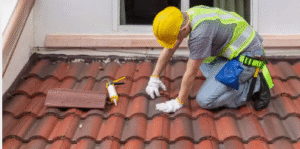
Roof replacements are equally critical, especially for older homes where deterioration or the presence of asbestos is a concern. A well-executed replacement not only improves appearance but also complies with the latest safety standards.

Roof Repairs and Maintenance

From minor leaks to storm damage, roofing repairs are best handled by trained professionals. Common issues that Adelaide homeowners face include:

  • Cracked or missing tiles
  • Rusted metal sheets
  • Damaged flashing
  • Blocked or faulty gutters

Regular maintenance—such as cleaning gutters, resealing joints, and checking for weak spots—can extend your roof’s life by years and prevent unexpected emergencies.

Roof Restoration

If your roof is structurally sound but showing signs of wear, restoration may be the ideal solution. It involves cleaning, repairing, and recoating the roof to restore its appearance and performance. Roof restorations in Adelaide are a cost-effective way to rejuvenate your home without the expense of a complete replacement.

Choosing the Right Roofing Company in Adelaide

Not all roofing contractors are created equal. For peace of mind and professional results, it’s essential to choose a licensed, insured, and experienced roofing company in Adelaide.

Here are some key qualities to look for:

  • Proven experience and portfolio – Review past projects and customer testimonials.
  • Transparent quotes – A reputable roofer will provide clear, upfront pricing with no hidden fees.
  • Use of quality materials – Ensure they use trusted brands, such as Colorbond, Bluescope Steel, or Monier.
  • Artistry warranty – Look for companies that stand by their work with solid guarantees.

Benefits of Investing in Professional Roofing Services

Professional roofing in Adelaide offers more than just structural integrity—it adds real, measurable value to your property. Some of the key benefits include:

  • Increased energy efficiency – Proper insulation and reflective roofing materials can reduce heating and cooling costs.
  • Enhanced curb appeal – A sleek, modern roof improves the overall aesthetic of your home or business.
  • Higher property value – A well-maintained roof can be a significant selling point for potential buyers.
  • Compliance with local building codes – Professionals ensure your roof meets all safety and regulatory requirements in South Australia.

Conclusion:

A reliable roof is one of the best investments you can make for your home or commercial property. Whether you need repairs, a new installation, or a full-scale restoration, professional roofing in Adelaide provides expert craftsmanship, premium materials, and long-lasting results.

With a wide variety of roofing styles, modern solutions, and skilled tradespeople, Adelaide residents have access to top-tier roofing services that protect their homes for decades to come.

Security Doors Adelaide: Enhance Your Safety with Premium Security Doors

When it comes to protecting your home or business, security doors play a vital role. In Adelaide, a city known for its beautiful homes and thriving communities, having a reliable and high-quality security door is more than just a wise investment — it’s a necessity. At the heart of true peace of mind lies the confidence that your property is safe. Let’s explore why security doors in Adelaide are essential, what to look for, and how to choose the best solution for your needs. For quality security doors, check this out!

Why Invest in Security Doors?

Security doors are specifically designed to provide a more substantial, more resilient barrier against unwanted intruders, extreme weather, and even pests. Unlike standard doors, security doors are built with reinforced materials, advanced locking systems, and tamper-resistant features. Here’s why installing a security door is a wise decision:
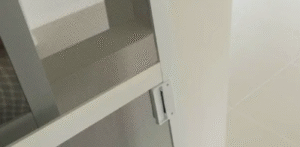
  • Enhanced Protection: A security door’s primary function is to prevent unauthorised access. Strong frames, mesh designs, and secure locks add an extra layer of protection.
  • Visual Deterrent: A solid security door can deter would-be intruders before they even attempt entry.
  • Improved Ventilation: Modern security doors allow you to keep your main door open for fresh air without compromising safety.
  • Added Property Value: Quality security doors are attractive features for potential buyers and can enhance your home’s market value.

In Adelaide, where both residential and commercial properties require dependable security solutions, the demand for superior security doors continues to rise.

Features to Look for in Quality Security Doors

Not all security doors are created equal. When selecting a security door in Adelaide, it’s essential to understand what features set the best doors apart from the rest:

Strong Frame Materials

Choose security doors made from durable materials, such as steel or aluminium. Steel doors are often considered the strongest, providing maximum security, while aluminium offers excellent corrosion resistance, perfect for Adelaide’s varied climate.

Premium Locking Systems

Multi-point locks, deadbolts, and high-quality cylinder locks are crucial components. A strong door is only as good as its weakest point — often the lock.

Corrosion and Weather Resistance

Adelaide’s climate can be unpredictable, so opt for doors with powder-coated finishes that resist rust, corrosion, and fading.

Custom Fit and Design

A properly fitted security door ensures maximum strength and aesthetic appeal. Custom options allow you to match the door with your home’s existing style, offering both security and curb appeal.

Australian Standards Compliance

Ensure the security door meets or exceeds Australian Standards (AS5039-2008). This standard guarantees that the door’s design, materials, and performance have been tested for strength and impact resistance.

Types of Security Doors Available in Adelaide

The security needs of every property are different. Here are the most popular types of security doors Adelaide homeowners and businesses choose:

Stainless Steel Mesh Doors

These doors combine robust strength with visibility. The woven stainless steel mesh provides excellent protection without sacrificing the view or airflow.

Decorative Security Doors

For those who want security without compromising style, decorative doors feature intricate designs and are made with reinforced materials.

Aluminium Security Doors

Lightweight and corrosion-resistant aluminium doors are a popular choice, especially for coastal areas in South Australia.

Sliding Security Doors

Perfect for patio doors and outdoor access points, sliding security doors offer the same protection without obstructing views.

Professional Installation Matters

Choosing a high-quality security door is only half the job. Proper installation is critical to ensure maximum security. Professional installation by experienced technicians guarantees that:

  • The door fits perfectly into the frame.
  • Locks and hinges operate smoothly.
  • The door remains secure even under pressure.

Reputable Adelaide providers often offer custom measurement and installation services, ensuring your investment delivers the protection you expect. For quality security doors, check this out!

Conclusion:

In today’s world, security should never be an afterthought. Whether you’re protecting your family, your livelihood, or your assets, investing in high-quality security doors is a wise, long-term decision. With a range of styles, materials, and advanced features available, there’s a perfect security solution for every Adelaide home and business.

Please don’t settle for second-best when it comes to your safety. Explore the best security doors Adelaide has to offer and enjoy the peace of mind you deserve.

Bale Wrap: The Ultimate Guide to Quality Silage Protection

Bale wrap is an essential agricultural product in Australia, helping farmers and livestock producers preserve fodder efficiently. With the country’s diverse climate, ranging from arid conditions to humid coastal areas, the right bale wrap ensures optimal storage, reduced waste, and improved feed quality for animals.

Whether you’re a seasoned farmer or new to the industry, understanding the importance of bale wrap and how to choose the best one can significantly impact your agricultural operations. For more information about the weather-resistant bale wrap, click here.

What is Bale Wrap?

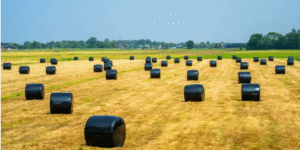
weather-resistant bale wrapBale wrap is a stretchable plastic film used to encase hay, silage, or straw bales, creating an airtight seal that protects fodder from spoilage. The primary purpose of bale wrap is to preserve the nutritional value of silage by reducing exposure to oxygen and moisture, which can lead to mould growth and fermentation issues. High-quality bale wrap ensures that feed remains fresh and nutritious for extended periods, making it a cost-effective solution for farmers across Australia.

Why is Bale Wrap Important in Australia?

Protecting Against Harsh Weather Conditions

Australia’s weather can be unpredictable, with extreme heat, heavy rains, and strong winds affecting stored fodder. Bale wrap offers a protective barrier that keeps moisture out while preventing the feed from drying out excessively.

Reducing Waste and Spoilage

Poorly stored silage can lead to significant feed loss due to mould and bacterial contamination. Bale wrap creates an anaerobic environment that halts spoilage, allowing farmers to maximise their fodder reserves.

Enhancing Feed Quality

Properly wrapped bales maintain high levels of nutrients and digestibility, ensuring that livestock receive optimal nutrition. It is particularly beneficial for dairy and beef cattle, which require consistent, high-quality feed.

Choosing the Best Bale Wrap in Australia

With various brands and types of bale wrap available, selecting the right one is crucial for efficiency and durability. Here are some key factors to consider:

UV Protection

Given Australia’s high UV radiation levels, choosing a bale wrap with UV stabilisers ensures longevity and prevents film degradation. Without proper UV resistance, the wrap can become brittle and ineffective over time.

Strength and Stretchability

A high-quality bale wrap should have excellent stretchability and puncture resistance. It ensures a tight seal around bales, reducing air pockets that can cause spoilage.

Thickness and Layers

Bale wrap typically comes in different thicknesses (e.g., 25-30 microns) and layers (3, 5, or 7 layers). A multi-layered wrap offers superior strength and protection, making it ideal for Australia’s harsh farming conditions.

Adhesion and Sealability

A good bale wrap should have strong adhesion properties to ensure an airtight seal. Poor adhesion can lead to air leaks, resulting in fermentation problems.

Environmental Considerations

Many Australian farmers are opting for eco-friendly bale wrap options, such as biodegradable films or recyclable plastics. These options help reduce plastic waste and align with sustainable farming practices.

Best Practices for Using Bale Wrap

To get the most out of your bale wrap, follow these best practices:

Wrap Bales Immediately After Harvesting

Delays in wrapping can lead to premature fermentation and nutrient loss. Wrapping within a few hours of baling helps preserve the quality of the silage.

Use the Right Number of Layers

Most experts recommend using at least 4-6 layers of wrap for adequate protection. In harsher conditions, using additional layers can provide extra security against environmental factors.

Store Bales in a Suitable Location

Place wrapped bales on well-drained ground away from sharp objects that could puncture the wrap. Properly stacking bales can also prevent damage and improve longevity.

Regularly Inspect Wrapped Bales

Check bales periodically for any punctures or damage. If any holes appear, patch them immediately with bale wrap repair tape to maintain the airtight seal.

Conclusion:

Bale wrap is an indispensable tool for Australian farmers, helping to maintain high-quality feed and reduce wastage. Choosing the right bale wrap involves considering UV protection, strength, thickness, and sustainability. By following best practices for wrapping and storage, farmers can ensure long-lasting and nutritious fodder for their livestock. As technology advances, the future of bale wrap in Australia looks promising, with more sustainable and efficient options becoming available to meet the needs of modern agriculture.

Silage Covers: Essential for Preserving Quality Silage

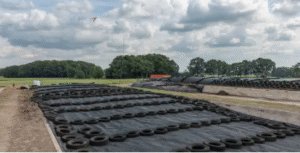
Silage covers play a crucial role in ensuring the preservation and quality of silage in Australia’s agricultural industry. Silage, made from fermented green foliage, is an essential feed for livestock, especially in regions where winter feed is limited. However, to ensure that silage retains its nutritional value, it must be adequately stored and protected. For more UV-resistant silage covers, check this out.

What Are Silage Covers?

UV-resistant silage coversSilage covers are specialised tarps or sheets used to seal silage piles or bunkers, protecting the silage from the elements during the fermentation process. These covers are typically made from durable, UV-resistant materials like polyethylene, ensuring that they can withstand exposure to the sun, rain, and other weather conditions while preventing oxygen from reaching the silage beneath.
The Importance of Silage Covers in Australia

In Australia, the agricultural landscape varies greatly, from tropical regions to temperate zones, but one constant challenge farmers face is ensuring that their silage is appropriately preserved. Silage covers are vital in addressing several key concerns in the silage-making process:

  • Protection from Weather Conditions: Australia’s unpredictable climate can range from intense sun and heat to heavy rain, both of which can negatively affect the quality of silage. Without proper protection, the surface of the silage pile is exposed to oxygen and moisture, leading to spoilage, mould growth, and the loss of nutrients. Silage covers prevent these issues by providing an impermeable barrier against rain and UV rays, keeping the silage in optimal conditions for fermentation.
  • Maintaining Nutritional Value: The goal of making silage is to produce a feed that is rich in nutrients for livestock. A poorly covered silage pile can result in the loss of essential nutrients like sugars, proteins, and fats, which are critical for the health and growth of animals. Silage covers help preserve the nutritional integrity of the silage, ensuring that animals receive high-quality feed throughout the year, even during off-season months when fresh pasture might not be available.
  • Preventing Contamination: Exposure to contaminants, such as dirt, debris, or even pests, can also degrade the quality of silage. Silage covers act as a protective barrier, preventing these contaminants from coming into contact with the silage and preserving its hygienic quality. By keeping the pile sealed and safe from external factors, farmers can ensure that the silage remains a healthy, safe food source for their livestock.

Types of Silage Covers

When it comes to silage covers in Australia, there are various options available, each with its advantages. Here are some of the most common types of silage covers:

  • Single-Layer Covers: These are basic, single-layer tarps made from materials such as polyethylene or polyvinyl chloride (PVC). They are effective in protecting silage from rain, sun, and debris. While they provide a basic level of protection, they may not be as durable as multi-layer covers and may not offer the same level of UV resistance.
  • Multi-Layer Covers: Multi-layer silage covers are often made of several layers of material, such as a combination of polyethylene and UV-resistant coatings. These covers offer superior protection against the elements, with the additional layers providing enhanced durability and resistance to punctures, tears, and UV degradation.
  • Oxygen Barrier Covers: One of the most advanced types of silage covers is the oxygen barrier cover, which is designed to minimise the amount of oxygen that comes into contact with the silage. This type of cover helps prevent spoilage caused by aerobic bacteria, ensuring that the silage ferments appropriately and retains its nutritional value.
  • Silage Covering Films with Bunker Sheets: For large-scale silage production, especially in bunker silos, farmers often use specialised bunker sheets along with silage covers.

Conclusion:

Silage covers are a vital investment for Australian farmers looking to preserve the quality of their silage throughout the year. By protecting silage from adverse weather conditions, contamination, and nutrient loss, these covers play a key role in ensuring that livestock receive high-quality, nutritious feed.

Whether you opt for single-layer, multi-layer, or oxygen barrier covers, choosing the right silage cover for your operation is essential for successful silage production. Ensure that your silage is adequately stored and protected to help optimise livestock health and productivity, making silage covers an indispensable tool in Australian agriculture.

Commercial Builder Adelaide: Choosing the Right Commercial Builder Within Your Budget

When embarking on a commercial construction project in Adelaide, one of the most critical decisions you’ll make is selecting the right builder. The challenge lies in balancing the commercial builder cost with the quality of workmanship and materials. A lower bid may seem attractive, but cutting corners can lead to long-term issues. On the other hand, the highest-priced builder isn’t always the best choice either. Understanding the factors that influence costs and quality can help you make an informed decision that aligns with your budget and project goals.

Factors That Affect Commercial Builder Cost

commercial builder costThe cost of hiring a commercial builder is influenced by several factors, including:

1. Project Size and Complexity

Larger and more complex projects would require more materials, labour, and expertise, which significantly impact costs. A simple office renovation will cost much less than a multi-story commercial building.

2. Materials and Finishes

The quality of materials used can greatly affect the final cost. High-end materials like premium wood, glass, and steel increase expenses, while budget-friendly alternatives can lower costs. However, choosing cheaper materials may compromise durability.

3. Labor and Experience

An experienced and reputable commercial builder may charge more for their services, but they often deliver higher quality work with fewer delays. In contrast, a less experienced builder might offer lower rates but may not have the expertise to handle complex projects efficiently.

4. Permits and Regulations

Commercial construction projects must always adhere to local building codes, safety regulations, and permit requirements. These can add to the overall cost, depending on the location and scope of work.

5. Project Timeline

Rushed projects often come with premium costs due to overtime labour and expedited material orders. If you have a flexible timeline, you may be able to negotiate a better price.

6. Builder Reputation and Reliability

A well-established commercial builder with a strong track record of successful projects may have higher costs due to their reliability and expertise. However, hiring a cheaper, less reputable builder could lead to costly mistakes or delays.

Striking the Right Balance: Cost vs. Quality

While it’s tempting to go with the lowest bid to save money, it’s crucial to balance cost with quality to avoid future expenses related to poor workmanship, repairs, or safety issues. Here’s how you can make the right decision:

1. Get Multiple Quotes

Obtain at least three quotes from different commercial builders. It allows you to compare costs, services, and materials included in each estimate. Be wary of extremely low bids, as they may only indicate subpar quality or hidden costs.

2. Assess the Builder’s Track Record

Review the builder’s past projects and client testimonials. Seek references and visit completed projects to evaluate the quality of their work. A builder in Adelaide with a solid reputation is more likely to deliver high-quality results.

3. Prioritise Value Over Price

Instead of focusing solely on the lowest commercial builder cost, consider the long-term value. A slightly more expensive builder in Adelaide who delivers excellent craftsmanship meets deadlines, and ensures compliance with regulations can save you money in the long run.

4. Look for Transparent Pricing

A reputable commercial builder should provide a detailed breakdown of costs, including labour, materials, permits, and contingencies. Avoid builders who offer vague estimates without a clear explanation of what’s included.

5. Check Warranties and Contracts

A reliable builder will offer warranties on quality and materials. It is also important to carefully review the contract to ensure it includes timelines, payment terms, and dispute resolution clauses. It protects you from unexpected costs or project delays.

6. Consider Alternative Cost-Saving Strategies

If you’re working within a strict budget, explore cost-saving options such as:

  • Phased construction – Breaking the project into stages to spread out costs.
  • Material substitutions – Using alternative materials that offer a balance between durability and affordability.
  • Energy-efficient designs – Investing in energy-efficient solutions that reduce long-term operational costs.

Final Thoughts

Choosing a commercial builder involves more than just comparing costs. A well-balanced approach that considers both price and quality ensures you get the best results within your budget. By researching builders, reviewing their past projects, and understanding the commercial builder cost factors, you can make a significantly informed decision that protects your investment and ensures a successful commercial construction project.

Asbestos Removal Adelaide: Why Choose Non-Invasive Asbestos Removal for a Safer Environment

Asbestos is a hazardous material that poses significant health risks when disturbed. Traditional asbestos removal methods often involve invasive techniques that can release asbestos fibres into the air, increasing the risk of exposure. Non-invasive asbestos removal is a safer and more efficient alternative, minimising disruption while ensuring the safe handling and containment of asbestos materials. This article explores why non-invasive asbestos removal is the preferred choice in Adelaide for creating a safer environment.

Understanding Non-Invasive Asbestos Removal

non-invasive asbestos removalNon-invasive asbestos removal is a specialised method designed to reduce the risk of asbestos fibre release by using controlled and careful techniques. Unlike conventional removal methods that involve demolition or aggressive scraping, non-invasive asbestos removal focuses on encapsulation, sealing, or low-disturbance extraction to safely manage asbestos-containing materials (ACMs).
This method is particularly beneficial in environments where complete removal is unnecessary or would cause excessive disruption, such as in occupied buildings, historical sites, or industrial facilities. By reducing direct contact with ACMs, non-invasive asbestos removal ensures a safer approach for workers, occupants, and the surrounding environment.

Health and Safety Benefits

One of the primary reasons to choose non-invasive asbestos removal is its significant health and safety advantages. When asbestos fibres become airborne, they can be inhaled and cause severe respiratory conditions, including asbestosis, lung cancer, and mesothelioma. Traditional asbestos removal methods often disturb ACMs, increasing the risk of fibre release and exposure.

Non-invasive asbestos removal employs containment strategies such as encapsulation and specialised vacuum systems to prevent fibres from becoming airborne. These measures drastically reduce health risks for workers and building occupants, making it a safer alternative for handling asbestos.

Minimal Disruption and Cost-Effectiveness

Another compelling reason to opt for non-invasive asbestos removal is the minimal disruption it causes to daily operations. In commercial, industrial, or residential settings, shutting down an entire area for asbestos removal can be costly and inconvenient. Traditional methods often require extensive preparation, including evacuating occupants and sealing off large sections of a building.

Non-invasive asbestos removal allows for targeted management of ACMs, enabling businesses and residents to continue their activities with minimal interruption. Additionally, because non-invasive methods do not involve extensive demolition or structural alterations, they tend to be more cost-effective. The reduced labour, shorter project duration, and fewer containment requirements translate to lower overall costs.

Eco-Friendly and Sustainable Approach

Environmental protection is another crucial factor in favour of non-invasive asbestos removal. Traditional asbestos abatement methods often involve excessive waste generation, as entire structures or materials are demolished and discarded. The disposal of asbestos waste requires specialised handling and landfill space, contributing to environmental concerns.

Non-invasive asbestos removal prioritises methods that reduce waste and environmental impact. Techniques such as encapsulation allow ACMs to remain safely in place without requiring disposal. Additionally, by preventing fibre release, non-invasive removal helps maintain air quality and reduces contamination risks.

Ideal for Sensitive and High-Risk Areas

Certain locations require extra precautions when dealing with asbestos, including schools, hospitals, historical buildings, and densely populated areas. Non-invasive asbestos removal is particularly beneficial in these sensitive environments because it allows for the safe management of asbestos without causing major disturbances.

For example, in a hospital setting, shutting down entire wards for asbestos removal could be highly disruptive to patient care. Non-invasive methods enable safe asbestos handling while maintaining the functionality of critical areas. Similarly, historical buildings with ACMs can benefit from non-invasive removal techniques that preserve structural integrity while addressing asbestos concerns.

Compliance with Regulations and Best Practices

Asbestos removal is strictly regulated in many countries to ensure public health and environmental safety. Non-invasive asbestos removal aligns with industry best practices and regulatory requirements by employing safe handling techniques that prevent unnecessary exposure.

By choosing a professional asbestos removal service that specialises in non-invasive methods, property owners can ensure compliance with local laws and avoid legal liabilities. Certified professionals use specialised equipment, containment barriers, and air monitoring systems to guarantee safe asbestos management in accordance with regulatory standards.

Conclusion

Non-invasive asbestos removal is the safest, most efficient, and environmentally responsible method for managing asbestos-containing materials. By minimising fibre release, reducing disruption, and lowering costs, this approach provides significant advantages over traditional removal methods. Whether in commercial, industrial, or residential settings, non-invasive asbestos removal ensures a safer environment for workers, occupants, and the surrounding community.

If you are dealing with asbestos concerns, consider consulting a professional asbestos removal service that specialises in non-invasive techniques. Taking a proactive and responsible approach to asbestos management will help protect both human health and the environment for years to come.

Glass Repair Adelaide: Breaking Down the Costs

Glass plays a crucial role in our daily lives, from windows and doors to car windshields and tabletops. When damage occurs, understanding the glass repair cost in Adelaide can help you make informed decisions about repairs or replacements. Several factors impact the overall price, including the type of glass, the extent of the damage, labour costs, and additional services. In this article, we will break down these key factors to help you anticipate and manage your glass repair expenses effectively.

1. Type of Glass

glass repair costThe type of glass being repaired significantly affects the cost. Common types of glass include:

  • Tempered Glass – Used in car windows and shower doors, this type of glass is heat-treated for durability but shatters into small pieces when broken. Its repair or replacement can be more expensive due to the manufacturing process.
  • Laminated Glass – Found in windshields and storefronts, laminated glass consists of layers that hold together when shattered. It’s often more costly to repair than regular glass but may only need localised repairs instead of full replacement.
  • Annealed Glass – The most basic form of glass used in home windows, this type is more affordable to replace but may not be repairable in cases of severe damage.
  • Insulated Glass – Common in double-pane windows, this type helps with energy efficiency. Repairing insulated glass can be expensive since a broken seal often requires full replacement.

2. Extent and Type of Damage

The severity of the damage plays a major role in determining a glass repair cost. Minor cracks or chips may be repairable, while severe damage may require a full replacement. Common types of damage include:

  • Small Chips and Cracks – Typically inexpensive to fix if addressed early. Windshield chip repairs, for example, cost significantly less than full replacements.
  • Large Cracks or Shattered Glass – A single crack that spans the glass surface often requires replacement, increasing costs.
  • Seal Failure in Insulated Glass – When moisture gets trapped between panes, it leads to fogging. It often necessitates replacing the entire glass unit rather than repairing a small section.

3. Size of the Glass

Larger glass panels naturally come with higher repair or replacement costs due to increased material usage. Small window panes, for instance, cost less to fix compared to large storefront or patio glass doors.

4. Location of the Glass

Where the damaged glass is located impacts both the repair complexity and cost:

  • Residential Windows – These are generally easier and less costly to replace compared to commercial glass installations.
  • Car Windshields – Windshield repairs vary in cost depending on the vehicle model and the complexity of the glass design.
  • High-Rise or Hard-to-Reach Windows – If the damaged glass is in a hard-to-access area, such as a high-rise building, labour costs increase due to specialised equipment and safety precautions required for the repair.

5. Labor and Service Fees

Professional glass repair companies charge labour fees that depend on the complexity of the job, the expertise required, and the location.

6. Brand and Quality of Replacement Glass

Higher-quality glass or specific branded glass products will come at a premium price. If you choose glass with additional features such as UV protection, tinted coatings, or extra durability, the cost of materials and installation will be higher.

7. Insurance Coverage and Warranty

If you have glass coverage in your auto or home insurance policy, you may be able to reduce out-of-pocket expenses.

8. Additional Costs

Other elements that may influence a glass repair cost include:

  • Disposal Fees – If old or broken glass needs to be removed and disposed of, there might be additional charges.
  • Custom Glass Cutting – If the replacement requires a custom shape or size, expect higher costs due to the precision required.
  • Hardware Replacement – In cases where frames, hinges, or locks are damaged along with the glass, repairing these components can add to the final bill.

Final Thoughts

Understanding the key factors that influence a glass repair cost in Adelaide can help you budget effectively and avoid unexpected expenses. The type of glass, the extent of damage, labour costs, and insurance coverage all play a role in determining the final price. By staying informed and taking preventative measures, you can ensure that your glass repairs remain affordable and hassle-free.