


As Australia’s agricultural landscape continues to evolve, so too does the need for more intelligent, more reliable systems to preserve forage quality and maximise productivity. Among the most promising innovations in this space is the flexible net replacement film, a modern alternative to traditional silage netting that is gaining traction on progressive Australian farms. Designed to improve silage integrity, boost efficiency, and enhance resistance to Australia’s often harsh and unpredictable weather conditions, this technology is redefining forage conservation.
Understanding Flexible Net Replacement Film
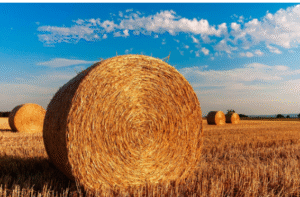 Flexible net replacement film is a high-strength, multi-layer plastic film that replaces traditional net wrap in silage bale wrapping systems. Unlike standard netting, which primarily offers structural containment, this film provides a dual function: securing the bale while also offering a barrier against oxygen and moisture. This all-in-one solution reduces the number of materials needed during baling, simplifies logistics, and contributes to higher silage quality.
In Australian conditions—characterised by extreme heat, unpredictable rainfall, and occasional drought—these features are more than just conveniences; they are critical for farm resilience and feed reliability.
Advantages Over Traditional Netting
One of the key reasons Australian farmers are shifting to flexible net replacement film is its efficiency. Traditional net wrap often requires a separate plastic film layer to complete the ensiling process. In contrast, net replacement film allows direct transition from baling to wrapping, reducing the time and labour involved.
Improved Weather Resistance
Flexible net replacement film is designed to withstand UV radiation, high winds, and moisture, making it particularly well-suited to Australian climates. It’s an airtight seal that significantly limits oxygen ingress, which is essential in preventing spoilage, mould development, and nutrient degradation.
Enhanced Bale Shape and Stability
Thanks to its elastic and uniform stretch characteristics, the film maintains tight, consistent pressure across the bale. It leads to denser, more uniform bales that are easier to stack and store—a key benefit for farmers working with limited storage infrastructure or in variable terrain.
Labour and Time Savings
With fewer materials to handle and fewer wrapping steps required, flexible net replacement film streamlines the entire forage conservation process. It translates into fewer hours on the field, lower fuel consumption, and reduced machinery wear.
Silage Quality: A Measurable Improvement
Silage quality is central to the performance of livestock operations, especially in regions where natural pasture is seasonal. Oxygen is the enemy of high-quality silage, and the airtight properties of flexible net replacement film provide a superior seal compared to net-and-wrap systems.
Independent studies and on-farm trials in Australia have shown that bales wrapped with net replacement film maintain higher levels of digestible energy and protein. Additionally, they exhibit lower pH levels, indicating a more effective fermentation process, which translates directly to better livestock health and productivity.
Environmental and Economic Benefits
Sustainability is an increasingly important concern in Australian agriculture. Flexible net replacement film contributes to more environmentally responsible farming in several ways:
Reduced Plastic Use
Though it may seem counterintuitive, using flexible net replacement film can actually reduce the total volume of plastic on the farm. Because one material does the job of two, there is less waste generated per bale.
Recyclability
Most modern net replacement films are designed with recycling in mind. When disposed of properly through established agricultural recycling programs, the environmental footprint can be significantly reduced.
Cost Efficiency
While the upfront cost of flexible net replacement film may be higher than traditional netting, the long-term savings on labour, fuel, and spoilage loss often offset the investment. In many cases, Australian farmers report increased profitability thanks to better forage preservation and reduced feeding losses.
Conclusion:
Flexible net replacement film is more than just a replacement for netting—it’s a game-changer for forage conservation. As Australia’s agricultural sector continues to prioritise efficiency, quality, and resilience, innovations like this will play a critical role in securing the future of farming.
With proven benefits in silage quality, time savings, environmental impact, and weather resistance, flexible net replacement film is fast becoming the standard for modern farms across Australia. For producers aiming to stay ahead of the curve while ensuring sustainable and profitable operations, adopting this technology is a practical and forward-thinking step.
 One of the standout features that makes a Neff oven for baking so desirable is its CircoTherm® technology. Unlike conventional fan ovens, CircoTherm® allows bakers to cook multiple dishes on multiple levels without the flavours intermingling. Whether you’re baking sourdough on the bottom shelf and croissants on the top, or roasting vegetables alongside your sponge cake, you can rely on consistent, even heat distribution.
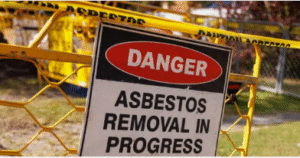 Before diving into the removal process, it’s essential to understand why asbestos is so dangerous. When disturbed, asbestos fibres can become airborne and inhaled. Over time, this can lead to serious respiratory illnesses, including: