


Silage covers play a crucial role in ensuring the preservation and quality of silage in Australia’s agricultural industry. Silage, made from fermented green foliage, is an essential feed for livestock, especially in regions where winter feed is limited. However, to ensure that silage retains its nutritional value, it must be adequately stored and protected. For more UV-resistant silage covers, check this out.
What Are Silage Covers?
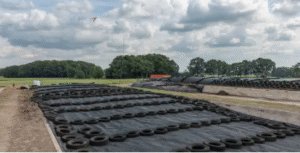 Silage covers are specialised tarps or sheets used to seal silage piles or bunkers, protecting the silage from the elements during the fermentation process. These covers are typically made from durable, UV-resistant materials like polyethylene, ensuring that they can withstand exposure to the sun, rain, and other weather conditions while preventing oxygen from reaching the silage beneath.
The Importance of Silage Covers in Australia
In Australia, the agricultural landscape varies greatly, from tropical regions to temperate zones, but one constant challenge farmers face is ensuring that their silage is appropriately preserved. Silage covers are vital in addressing several key concerns in the silage-making process:
- Protection from Weather Conditions: Australia’s unpredictable climate can range from intense sun and heat to heavy rain, both of which can negatively affect the quality of silage. Without proper protection, the surface of the silage pile is exposed to oxygen and moisture, leading to spoilage, mould growth, and the loss of nutrients. Silage covers prevent these issues by providing an impermeable barrier against rain and UV rays, keeping the silage in optimal conditions for fermentation.
- Maintaining Nutritional Value: The goal of making silage is to produce a feed that is rich in nutrients for livestock. A poorly covered silage pile can result in the loss of essential nutrients like sugars, proteins, and fats, which are critical for the health and growth of animals. Silage covers help preserve the nutritional integrity of the silage, ensuring that animals receive high-quality feed throughout the year, even during off-season months when fresh pasture might not be available.
- Preventing Contamination: Exposure to contaminants, such as dirt, debris, or even pests, can also degrade the quality of silage. Silage covers act as a protective barrier, preventing these contaminants from coming into contact with the silage and preserving its hygienic quality. By keeping the pile sealed and safe from external factors, farmers can ensure that the silage remains a healthy, safe food source for their livestock.
Types of Silage Covers
When it comes to silage covers in Australia, there are various options available, each with its advantages. Here are some of the most common types of silage covers:
- Single-Layer Covers: These are basic, single-layer tarps made from materials such as polyethylene or polyvinyl chloride (PVC). They are effective in protecting silage from rain, sun, and debris. While they provide a basic level of protection, they may not be as durable as multi-layer covers and may not offer the same level of UV resistance.
- Multi-Layer Covers: Multi-layer silage covers are often made of several layers of material, such as a combination of polyethylene and UV-resistant coatings. These covers offer superior protection against the elements, with the additional layers providing enhanced durability and resistance to punctures, tears, and UV degradation.
- Oxygen Barrier Covers: One of the most advanced types of silage covers is the oxygen barrier cover, which is designed to minimise the amount of oxygen that comes into contact with the silage. This type of cover helps prevent spoilage caused by aerobic bacteria, ensuring that the silage ferments appropriately and retains its nutritional value.
- Silage Covering Films with Bunker Sheets: For large-scale silage production, especially in bunker silos, farmers often use specialised bunker sheets along with silage covers.
Conclusion:
Silage covers are a vital investment for Australian farmers looking to preserve the quality of their silage throughout the year. By protecting silage from adverse weather conditions, contamination, and nutrient loss, these covers play a key role in ensuring that livestock receive high-quality, nutritious feed.
Whether you opt for single-layer, multi-layer, or oxygen barrier covers, choosing the right silage cover for your operation is essential for successful silage production. Ensure that your silage is adequately stored and protected to help optimise livestock health and productivity, making silage covers an indispensable tool in Australian agriculture.