


Industrial refrigeration systems are the backbone of numerous industries, from food processing plants to pharmaceutical manufacturing facilities. These systems are essential for maintaining product integrity, preserving perishable goods, and ensuring operational efficiency. However, the true industrial refrigeration cost extends far beyond the initial installation. From ongoing energy consumption to regular maintenance and unexpected repairs, businesses must consider a wide range of factors when calculating the total cost of their refrigeration systems.
1. Initial Investment: Setting the Foundation
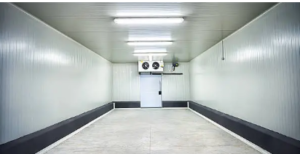 The journey of assessing the total cost of industrial refrigeration begins with the initial investment. It includes the purchase of equipment such as compressors, evaporators, condensers, and controls, as well as the cost of installation. Factors such as system size, complexity, energy efficiency, and compliance with regulations can all impact the upfront costs. Additionally, any necessary modifications to the facility to accommodate the refrigeration system should be factored into the initial investment.
2. Energy Consumption: The Ongoing Expense
Once installed, industrial refrigeration systems incur ongoing operational costs, with energy consumption being a significant component. The amount of energy required depends on factors such as the size of the system, ambient temperatures, product storage requirements, and the efficiency of the equipment. Optimising energy efficiency through proper system design, regular maintenance, and the use of energy-saving technologies can help mitigate these ongoing costs over time.
3. Maintenance and Repairs: Sustaining Efficiency
Regular maintenance is crucial for ensuring the reliability and longevity of industrial refrigeration systems. It includes tasks such as cleaning coils, checking refrigerant levels, lubricating moving parts, and inspecting for leaks or damage. Neglecting maintenance can lead to decreased efficiency, increased energy consumption, and higher repair costs in the long run. Additionally, unexpected breakdowns and repairs can disrupt operations and incur significant expenses, highlighting the importance of proactive maintenance strategies.
4. Refrigerant Costs: Managing Resources
Refrigerants are essential for the operation of industrial refrigeration systems, but they also represent a significant ongoing expense. The cost of refrigerants can vary depending on factors such as type, availability, and environmental regulations. As regulations evolve to phase out ozone-depleting substances and reduce greenhouse gas emissions, businesses may face additional costs associated with transitioning to alternative refrigerants or upgrading existing equipment to comply with new standards.
5. Lifecycle Considerations: Planning for the Future
When calculating the total industrial refrigeration cost, it’s essential to consider the system’s entire lifecycle, from installation to decommissioning. It includes factoring in depreciation, salvage value, and any potential future upgrades or replacements. By taking a holistic view of the system’s costs over its lifespan, businesses can make more informed decisions about investment strategies, budgeting, and long-term planning.
6. Regulatory Compliance: Meeting Standards
Industrial refrigeration systems are subject to various regulations and standards aimed at ensuring safety, environmental protection, and energy efficiency. Compliance with these regulations may require additional investments in equipment, training, monitoring systems, and documentation. Failure to comply can result in fines, penalties, and reputational damage, underscoring the importance of factoring regulatory requirements into the total cost of industrial refrigeration.
7. Total Cost of Ownership (TCO): A Comprehensive Approach
To accurately assess the total cost of industrial refrigeration, businesses must consider all direct and indirect expenses associated with owning, operating, and maintaining the system. This holistic approach, known as Total Cost of Ownership (TCO) analysis, provides a comprehensive view of the financial implications over the system’s lifespan. By factoring in both upfront and ongoing costs, TCO analysis enables businesses to make more informed decisions about investments, upgrades, and operational strategies.
Conclusion: The True Cost Revealed
From installation to maintenance, the total cost of industrial refrigeration encompasses a wide range of expenses that extend far beyond the initial investment. By understanding and accurately calculating these costs, businesses can optimise efficiency, manage expenses, and make informed decisions about their cooling infrastructure. Whether it’s through energy-saving technologies, proactive maintenance strategies, or compliance with regulatory standards, minimising the total industrial refrigeration cost requires a comprehensive approach that considers the system’s entire lifecycle. By embracing this approach, businesses can ensure the reliability, efficiency, and sustainability of their refrigeration systems for years to come.