

A CCL tear in dogs is one of the most common orthopedic injuries affecting canine companions in Portland. The cranial cruciate ligament (CCL) is equivalent to the anterior cruciate ligament (ACL) in humans, providing stability to the knee joint. When this ligament is torn or ruptured, it can lead to pain, reduced mobility, and long-term joint problems if left untreated. CCL tear in dogs rehabilitation plays a critical role in helping pets regain mobility, reduce discomfort, and prevent further complications.
Understanding CCL Tears in Dogs
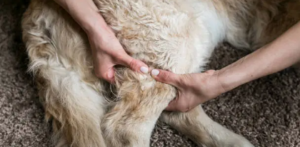 The CCL is crucial in stabilising the knee joint and preventing excessive movement that could lead to injury. CCL tears often occur due to sudden trauma, degenerative conditions, or excessive strain over time. Active breeds, overweight dogs, and aging pets are particularly susceptible to this injury.
Signs of a CCL tear include:
- Limping or reluctance to bear weight on one leg
- Swelling around the knee joint
- Stiffness after rest
- Difficulty standing or jumping
- Audible clicking sound when walking
If your dog displays any of these symptoms, seeking veterinary care is essential for proper diagnosis and treatment.
The Role of Rehabilitation in CCL Tear Recovery
Rehabilitation is a crucial component of CCL tear in dogs rehabilitation, whether the dog undergoes surgery or follows a conservative management plan. Rehabilitation focuses on restoring joint function, alleviating pain, strengthening muscles, and preventing further injury.
1. Pain Management and Inflammation Reduction
Immediately after a CCL tear, dogs experience pain and inflammation in the affected joint. Rehabilitation techniques such as cold therapy, laser therapy, and controlled movements help reduce swelling and promote comfort. By managing pain early, dogs are more willing to participate in further rehabilitation activities.
2. Restoring Mobility and Strength
After a CCL tear, dogs tend to compensate by shifting their weight to the unaffected leg, which can lead to muscle loss and additional joint strain. Rehabilitation programs use targeted exercises to rebuild muscle strength and restore proper weight distribution. Strengthening the surrounding muscles supports the knee joint, reducing stress on the healing ligament.
3. Preventing Further Injury
Without proper rehabilitation, dogs with a CCL tear are at high risk of injuring the opposite knee. Overcompensating for the injured leg often results in excessive strain on the healthy limb. A structured rehabilitation program teaches dogs to move correctly, preventing further injuries and promoting long-term joint health.
4. Enhancing Post-Surgical Recovery
For dogs that undergo surgical intervention, rehabilitation accelerates recovery. Post-operative rehabilitation includes controlled movements, stretching exercises, and hydrotherapy to improve circulation and mobility. Rehabilitation minimises scar tissue formation and ensures that the dog regains full function in the joint.
Key Rehabilitation Techniques for CCL Tear Recovery
A tailored rehabilitation program incorporates various techniques to promote healing and restore mobility. Some of the most effective methods include:
Physical Therapy Exercises
- Passive range of motion (PROM) exercises to maintain flexibility
- Weight-shifting exercises to encourage balanced movement
- Controlled walking routines to rebuild strength gradually
- Balance training using wobble boards or therapy balls
Hydrotherapy
Water-based therapy is a powerful tool in CCL tear in dogs rehabilitation. Hydrotherapy reduces the impact on the joints while providing resistance to build muscle strength. Underwater treadmills and swimming sessions allow dogs to exercise without putting excessive strain on the injured leg.
Laser Therapy and Massage
Laser therapy promotes tissue healing by increasing blood circulation and reducing inflammation. Therapeutic massage improves flexibility, reduces muscle tightness, and enhances comfort during rehabilitation.
Assistive Devices
Braces, orthopedic supports, and mobility aids help stabilise the knee joint and assist with weight-bearing exercises. These devices provide additional support during rehabilitation, ensuring dogs move safely and comfortably.
The Importance of Consistency in Rehabilitation
Successful CCL tear in dogs rehabilitation requires patience and consistency. Owners play a significant role in their pet’s recovery by following a structured rehabilitation plan. Daily exercises, controlled activity, and regular veterinary check-ups ensure steady progress and prevent setbacks.
A gradual increase in activity levels allows the injured knee to adapt without excessive strain. Dogs that undergo proper rehabilitation show improved mobility, reduced pain, and a higher quality of life compared to those without rehabilitation.
Conclusion
A CCL tear in dogs can be a challenging injury, but rehabilitation is a crucial step toward full recovery. Whether a dog undergoes surgery or follows a conservative treatment plan, CCL tear in dogs rehabilitation helps restore mobility, reduce pain, and prevent future joint issues. By incorporating physical therapy, hydrotherapy, pain management techniques, and consistent care, pet owners can support their furry companions in regaining strength and enjoying an active lifestyle once again.