

Month: May 2025

Bale Wrap: The Ultimate Guide to Quality Silage Protection

Bale wrap is an essential agricultural product in Australia, helping farmers and livestock producers preserve fodder efficiently. With the country’s diverse climate, ranging from arid conditions to humid coastal areas, the right bale wrap ensures optimal storage, reduced waste, and improved feed quality for animals.

Whether you’re a seasoned farmer or new to the industry, understanding the importance of bale wrap and how to choose the best one can significantly impact your agricultural operations. For more information about the weather-resistant bale wrap, click here.

What is Bale Wrap?
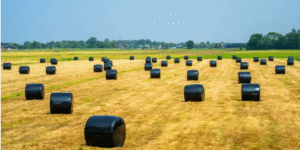
weather-resistant bale wrapBale wrap is a stretchable plastic film used to encase hay, silage, or straw bales, creating an airtight seal that protects fodder from spoilage. The primary purpose of bale wrap is to preserve the nutritional value of silage by reducing exposure to oxygen and moisture, which can lead to mould growth and fermentation issues. High-quality bale wrap ensures that feed remains fresh and nutritious for extended periods, making it a cost-effective solution for farmers across Australia.

Why is Bale Wrap Important in Australia?

Protecting Against Harsh Weather Conditions

Australia’s weather can be unpredictable, with extreme heat, heavy rains, and strong winds affecting stored fodder. Bale wrap offers a protective barrier that keeps moisture out while preventing the feed from drying out excessively.

Reducing Waste and Spoilage

Poorly stored silage can lead to significant feed loss due to mould and bacterial contamination. Bale wrap creates an anaerobic environment that halts spoilage, allowing farmers to maximise their fodder reserves.

Enhancing Feed Quality

Properly wrapped bales maintain high levels of nutrients and digestibility, ensuring that livestock receive optimal nutrition. It is particularly beneficial for dairy and beef cattle, which require consistent, high-quality feed.

Choosing the Best Bale Wrap in Australia

With various brands and types of bale wrap available, selecting the right one is crucial for efficiency and durability. Here are some key factors to consider:

UV Protection

Given Australia’s high UV radiation levels, choosing a bale wrap with UV stabilisers ensures longevity and prevents film degradation. Without proper UV resistance, the wrap can become brittle and ineffective over time.

Strength and Stretchability

A high-quality bale wrap should have excellent stretchability and puncture resistance. It ensures a tight seal around bales, reducing air pockets that can cause spoilage.

Thickness and Layers

Bale wrap typically comes in different thicknesses (e.g., 25-30 microns) and layers (3, 5, or 7 layers). A multi-layered wrap offers superior strength and protection, making it ideal for Australia’s harsh farming conditions.

Adhesion and Sealability

A good bale wrap should have strong adhesion properties to ensure an airtight seal. Poor adhesion can lead to air leaks, resulting in fermentation problems.

Environmental Considerations

Many Australian farmers are opting for eco-friendly bale wrap options, such as biodegradable films or recyclable plastics. These options help reduce plastic waste and align with sustainable farming practices.

Best Practices for Using Bale Wrap

To get the most out of your bale wrap, follow these best practices:

Wrap Bales Immediately After Harvesting

Delays in wrapping can lead to premature fermentation and nutrient loss. Wrapping within a few hours of baling helps preserve the quality of the silage.

Use the Right Number of Layers

Most experts recommend using at least 4-6 layers of wrap for adequate protection. In harsher conditions, using additional layers can provide extra security against environmental factors.

Store Bales in a Suitable Location

Place wrapped bales on well-drained ground away from sharp objects that could puncture the wrap. Properly stacking bales can also prevent damage and improve longevity.

Regularly Inspect Wrapped Bales

Check bales periodically for any punctures or damage. If any holes appear, patch them immediately with bale wrap repair tape to maintain the airtight seal.

Conclusion:

Bale wrap is an indispensable tool for Australian farmers, helping to maintain high-quality feed and reduce wastage. Choosing the right bale wrap involves considering UV protection, strength, thickness, and sustainability. By following best practices for wrapping and storage, farmers can ensure long-lasting and nutritious fodder for their livestock. As technology advances, the future of bale wrap in Australia looks promising, with more sustainable and efficient options becoming available to meet the needs of modern agriculture.
Silage Covers: Essential for Preserving Quality Silage

Silage covers play a crucial role in ensuring the preservation and quality of silage in Australia’s agricultural industry. Silage, made from fermented green foliage, is an essential feed for livestock, especially in regions where winter feed is limited. However, to ensure that silage retains its nutritional value, it must be adequately stored and protected. For more UV-resistant silage covers, check this out.

What Are Silage Covers?

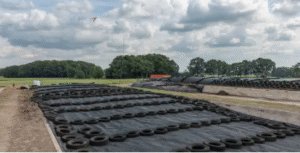
UV-resistant silage coversSilage covers are specialised tarps or sheets used to seal silage piles or bunkers, protecting the silage from the elements during the fermentation process. These covers are typically made from durable, UV-resistant materials like polyethylene, ensuring that they can withstand exposure to the sun, rain, and other weather conditions while preventing oxygen from reaching the silage beneath.

The Importance of Silage Covers in Australia

In Australia, the agricultural landscape varies greatly, from tropical regions to temperate zones, but one constant challenge farmers face is ensuring that their silage is appropriately preserved. Silage covers are vital in addressing several key concerns in the silage-making process:

  • Protection from Weather Conditions: Australia’s unpredictable climate can range from intense sun and heat to heavy rain, both of which can negatively affect the quality of silage. Without proper protection, the surface of the silage pile is exposed to oxygen and moisture, leading to spoilage, mould growth, and the loss of nutrients. Silage covers prevent these issues by providing an impermeable barrier against rain and UV rays, keeping the silage in optimal conditions for fermentation.
  • Maintaining Nutritional Value: The goal of making silage is to produce a feed that is rich in nutrients for livestock. A poorly covered silage pile can result in the loss of essential nutrients like sugars, proteins, and fats, which are critical for the health and growth of animals. Silage covers help preserve the nutritional integrity of the silage, ensuring that animals receive high-quality feed throughout the year, even during off-season months when fresh pasture might not be available.
  • Preventing Contamination: Exposure to contaminants, such as dirt, debris, or even pests, can also degrade the quality of silage. Silage covers act as a protective barrier, preventing these contaminants from coming into contact with the silage and preserving its hygienic quality. By keeping the pile sealed and safe from external factors, farmers can ensure that the silage remains a healthy, safe food source for their livestock.

Types of Silage Covers

When it comes to silage covers in Australia, there are various options available, each with its advantages. Here are some of the most common types of silage covers:

  • Single-Layer Covers: These are basic, single-layer tarps made from materials such as polyethylene or polyvinyl chloride (PVC). They are effective in protecting silage from rain, sun, and debris. While they provide a basic level of protection, they may not be as durable as multi-layer covers and may not offer the same level of UV resistance.
  • Multi-Layer Covers: Multi-layer silage covers are often made of several layers of material, such as a combination of polyethylene and UV-resistant coatings. These covers offer superior protection against the elements, with the additional layers providing enhanced durability and resistance to punctures, tears, and UV degradation.
  • Oxygen Barrier Covers: One of the most advanced types of silage covers is the oxygen barrier cover, which is designed to minimise the amount of oxygen that comes into contact with the silage. This type of cover helps prevent spoilage caused by aerobic bacteria, ensuring that the silage ferments appropriately and retains its nutritional value.
  • Silage Covering Films with Bunker Sheets: For large-scale silage production, especially in bunker silos, farmers often use specialised bunker sheets along with silage covers.

Conclusion:

Silage covers are a vital investment for Australian farmers looking to preserve the quality of their silage throughout the year. By protecting silage from adverse weather conditions, contamination, and nutrient loss, these covers play a key role in ensuring that livestock receive high-quality, nutritious feed.

Whether you opt for single-layer, multi-layer, or oxygen barrier covers, choosing the right silage cover for your operation is essential for successful silage production. Ensure that your silage is adequately stored and protected to help optimise livestock health and productivity, making silage covers an indispensable tool in Australian agriculture.

Commercial Builder Adelaide: Choosing the Right Commercial Builder Within Your Budget

When embarking on a commercial construction project in Adelaide, one of the most critical decisions you’ll make is selecting the right builder. The challenge lies in balancing the commercial builder cost with the quality of workmanship and materials. A lower bid may seem attractive, but cutting corners can lead to long-term issues. On the other hand, the highest-priced builder isn’t always the best choice either. Understanding the factors that influence costs and quality can help you make an informed decision that aligns with your budget and project goals.

Factors That Affect Commercial Builder Cost

commercial builder costThe cost of hiring a commercial builder is influenced by several factors, including:
1. Project Size and Complexity

Larger and more complex projects would require more materials, labour, and expertise, which significantly impact costs. A simple office renovation will cost much less than a multi-story commercial building.

2. Materials and Finishes

The quality of materials used can greatly affect the final cost. High-end materials like premium wood, glass, and steel increase expenses, while budget-friendly alternatives can lower costs. However, choosing cheaper materials may compromise durability.

3. Labor and Experience

An experienced and reputable commercial builder may charge more for their services, but they often deliver higher quality work with fewer delays. In contrast, a less experienced builder might offer lower rates but may not have the expertise to handle complex projects efficiently.

4. Permits and Regulations

Commercial construction projects must always adhere to local building codes, safety regulations, and permit requirements. These can add to the overall cost, depending on the location and scope of work.

5. Project Timeline

Rushed projects often come with premium costs due to overtime labour and expedited material orders. If you have a flexible timeline, you may be able to negotiate a better price.

6. Builder Reputation and Reliability

A well-established commercial builder with a strong track record of successful projects may have higher costs due to their reliability and expertise. However, hiring a cheaper, less reputable builder could lead to costly mistakes or delays.

Striking the Right Balance: Cost vs. Quality

While it’s tempting to go with the lowest bid to save money, it’s crucial to balance cost with quality to avoid future expenses related to poor workmanship, repairs, or safety issues. Here’s how you can make the right decision:

1. Get Multiple Quotes

Obtain at least three quotes from different commercial builders. It allows you to compare costs, services, and materials included in each estimate. Be wary of extremely low bids, as they may only indicate subpar quality or hidden costs.

2. Assess the Builder’s Track Record

Review the builder’s past projects and client testimonials. Seek references and visit completed projects to evaluate the quality of their work. A builder in Adelaide with a solid reputation is more likely to deliver high-quality results.

3. Prioritise Value Over Price

Instead of focusing solely on the lowest commercial builder cost, consider the long-term value. A slightly more expensive builder in Adelaide who delivers excellent craftsmanship meets deadlines, and ensures compliance with regulations can save you money in the long run.

4. Look for Transparent Pricing

A reputable commercial builder should provide a detailed breakdown of costs, including labour, materials, permits, and contingencies. Avoid builders who offer vague estimates without a clear explanation of what’s included.

5. Check Warranties and Contracts

A reliable builder will offer warranties on quality and materials. It is also important to carefully review the contract to ensure it includes timelines, payment terms, and dispute resolution clauses. It protects you from unexpected costs or project delays.

6. Consider Alternative Cost-Saving Strategies

If you’re working within a strict budget, explore cost-saving options such as:

  • Phased construction – Breaking the project into stages to spread out costs.
  • Material substitutions – Using alternative materials that offer a balance between durability and affordability.
  • Energy-efficient designs – Investing in energy-efficient solutions that reduce long-term operational costs.

Final Thoughts

Choosing a commercial builder involves more than just comparing costs. A well-balanced approach that considers both price and quality ensures you get the best results within your budget. By researching builders, reviewing their past projects, and understanding the commercial builder cost factors, you can make a significantly informed decision that protects your investment and ensures a successful commercial construction project.

Asbestos Testing Adelaide: How Regular Asbestos Inspections Can Save Your Business Thousands

Understanding the Importance of Asbestos Testing

Asbestos was once widely used in commercial and industrial buildings due to its heat resistance and durability. However, it has since been linked to serious health risks, including lung diseases and cancer. It makes asbestos testing an essential practice for businesses in Adelaide, especially those operating in older buildings. Regular asbestos inspections can help identify and manage asbestos-containing materials (ACMs), nsuring a safe environment while also preventing costly liabilities.

Financial Risks of Ignoring Asbestos Testing

asbestos testing AdelaideFailing to conduct regular asbestos inspections can lead to significant financial consequences for businesses. Some of the primary risks include:

  1. Legal Penalties and Fines – Many countries have strict regulations regarding asbestos management. If a business is found to be non-compliant with these regulations, it could face hefty fines and legal actions. Compliance with asbestos testing requirements helps avoid these penalties.
  2. Costly Lawsuits – Employees, customers, or visitors exposed to asbestos in a workplace may develop severe health conditions. If exposure is traced back to your business, you could be held legally responsible, leading to costly lawsuits and settlements.
  3. Expensive Emergency Remediation – When asbestos is discovered unexpectedly, businesses may have to halt operations and pay for emergency asbestos removal, which is significantly more expensive than planned, routine management.
  4. Loss of Business Reputation – If news spreads that your business has unsafe asbestos levels, it can deter clients and customers, impacting profitability. Proactively managing asbestos through regular inspections helps protect your reputation.
  5. Decline in Property Value – Buildings with unaddressed asbestos issues may suffer from decreased market value. It can be a major concern if a business owner plans to sell or lease a property in the future. Asbestos testing ensures that a building remains a valuable asset.

How Regular Asbestos Inspections Prevent Financial Losses

By investing in regular asbestos testing, businesses can mitigate these risks and save money in several ways:

1. Early Detection and Cost-Effective Management

Routine asbestos inspections allow businesses to detect ACMs before they become hazardous. If asbestos is identified early, it can often be managed in place with minimal disruption, rather than requiring costly full-scale removal. When asbestos is left undetected and deteriorates over time, fibres may become airborne, creating a serious health hazard that is expensive to remediate.

2. Compliance with Health and Safety Regulations

Regular asbestos testing ensures businesses in Adelaide meet regulatory requirements. By maintaining compliance, businesses can avoid expensive fines and demonstrate a commitment to workplace safety. Governments and occupational safety bodies impose strict regulations, and failure to comply may not only result in fines but also lead to forced business closure until corrective actions are taken.

3. Reduced Liability Risks

A structured asbestos management plan backed by regular testing minimises the likelihood of exposure and legal claims. Proper documentation of asbestos inspections can also serve as evidence that a business took necessary precautions to protect employees and customers. Businesses that prioritise asbestos safety are also more likely to receive positive recognition for their responsible practices.

4. Lower Insurance Premiums

Some insurance providers offer better rates for businesses that proactively manage asbestos risks. Regular asbestos testing and documented compliance with safety protocols can lead to reduced insurance costs over time. On the other hand, businesses without an asbestos management plan may face higher insurance premiums due to the increased liability risks.

5. Preventing Business Interruptions

When asbestos issues arise unexpectedly, businesses may be forced to shut down for remediation, leading to significant revenue loss. Regular inspections prevent such disruptions by ensuring that ACMs are properly managed before they pose a threat. Planned asbestos inspections and maintenance allow for control over timing and costs rather than being caught off guard by a sudden hazard.

6. Creating a Healthier Work Environment

Asbestos exposure is a well-documented cause of severe respiratory diseases. Businesses that prioritise asbestos testing demonstrate a commitment to their employees’ well-being. A safe and healthy work environment fosters better productivity, employee satisfaction, and retention. Workers are more likely to stay with a company that actively protects their health.

Conclusion

Regular asbestos testing is not just a regulatory requirement—it is a strategic financial decision that can save businesses thousands of dollars in fines, lawsuits, emergency repairs, and lost productivity. By proactively identifying and managing asbestos risks, businesses can ensure a safe working environment, maintain compliance, and protect their financial well-being. Investing in routine asbestos inspections today can prevent costly consequences in the future, making it a smart and essential practice for any responsible business owner. Additionally, businesses that implement proactive asbestos testing and management benefit from improved property value, stronger employee confidence, and a safer workplace. Prioritising asbestos safety is not just about avoiding risks—it’s about making a sound investment in the future of the business.

Asbestos Removal Adelaide: Why Choose Non-Invasive Asbestos Removal for a Safer Environment

Asbestos is a hazardous material that poses significant health risks when disturbed. Traditional asbestos removal methods often involve invasive techniques that can release asbestos fibres into the air, increasing the risk of exposure. Non-invasive asbestos removal is a safer and more efficient alternative, minimising disruption while ensuring the safe handling and containment of asbestos materials. This article explores why non-invasive asbestos removal is the preferred choice in Adelaide for creating a safer environment.

Understanding Non-Invasive Asbestos Removal

non-invasive asbestos removalNon-invasive asbestos removal is a specialised method designed to reduce the risk of asbestos fibre release by using controlled and careful techniques. Unlike conventional removal methods that involve demolition or aggressive scraping, non-invasive asbestos removal focuses on encapsulation, sealing, or low-disturbance extraction to safely manage asbestos-containing materials (ACMs).

This method is particularly beneficial in environments where complete removal is unnecessary or would cause excessive disruption, such as in occupied buildings, historical sites, or industrial facilities. By reducing direct contact with ACMs, non-invasive asbestos removal ensures a safer approach for workers, occupants, and the surrounding environment.

Health and Safety Benefits

One of the primary reasons to choose non-invasive asbestos removal is its significant health and safety advantages. When asbestos fibres become airborne, they can be inhaled and cause severe respiratory conditions, including asbestosis, lung cancer, and mesothelioma. Traditional asbestos removal methods often disturb ACMs, increasing the risk of fibre release and exposure.

Non-invasive asbestos removal employs containment strategies such as encapsulation and specialised vacuum systems to prevent fibres from becoming airborne. These measures drastically reduce health risks for workers and building occupants, making it a safer alternative for handling asbestos.

Minimal Disruption and Cost-Effectiveness

Another compelling reason to opt for non-invasive asbestos removal is the minimal disruption it causes to daily operations. In commercial, industrial, or residential settings, shutting down an entire area for asbestos removal can be costly and inconvenient. Traditional methods often require extensive preparation, including evacuating occupants and sealing off large sections of a building.

Non-invasive asbestos removal allows for targeted management of ACMs, enabling businesses and residents to continue their activities with minimal interruption. Additionally, because non-invasive methods do not involve extensive demolition or structural alterations, they tend to be more cost-effective. The reduced labour, shorter project duration, and fewer containment requirements translate to lower overall costs.

Eco-Friendly and Sustainable Approach

Environmental protection is another crucial factor in favour of non-invasive asbestos removal. Traditional asbestos abatement methods often involve excessive waste generation, as entire structures or materials are demolished and discarded. The disposal of asbestos waste requires specialised handling and landfill space, contributing to environmental concerns.

Non-invasive asbestos removal prioritises methods that reduce waste and environmental impact. Techniques such as encapsulation allow ACMs to remain safely in place without requiring disposal. Additionally, by preventing fibre release, non-invasive removal helps maintain air quality and reduces contamination risks.

Ideal for Sensitive and High-Risk Areas

Certain locations require extra precautions when dealing with asbestos, including schools, hospitals, historical buildings, and densely populated areas. Non-invasive asbestos removal is particularly beneficial in these sensitive environments because it allows for the safe management of asbestos without causing major disturbances.

For example, in a hospital setting, shutting down entire wards for asbestos removal could be highly disruptive to patient care. Non-invasive methods enable safe asbestos handling while maintaining the functionality of critical areas. Similarly, historical buildings with ACMs can benefit from non-invasive removal techniques that preserve structural integrity while addressing asbestos concerns.

Compliance with Regulations and Best Practices

Asbestos removal is strictly regulated in many countries to ensure public health and environmental safety. Non-invasive asbestos removal aligns with industry best practices and regulatory requirements by employing safe handling techniques that prevent unnecessary exposure.

By choosing a professional asbestos removal service that specialises in non-invasive methods, property owners can ensure compliance with local laws and avoid legal liabilities. Certified professionals use specialised equipment, containment barriers, and air monitoring systems to guarantee safe asbestos management in accordance with regulatory standards.

Conclusion

Non-invasive asbestos removal is the safest, most efficient, and environmentally responsible method for managing asbestos-containing materials. By minimising fibre release, reducing disruption, and lowering costs, this approach provides significant advantages over traditional removal methods. Whether in commercial, industrial, or residential settings, non-invasive asbestos removal ensures a safer environment for workers, occupants, and the surrounding community.

If you are dealing with asbestos concerns, consider consulting a professional asbestos removal service that specialises in non-invasive techniques. Taking a proactive and responsible approach to asbestos management will help protect both human health and the environment for years to come.