


Bale wrap is an essential agricultural product in Australia, helping farmers and livestock producers preserve fodder efficiently. With the country’s diverse climate, ranging from arid conditions to humid coastal areas, the right bale wrap ensures optimal storage, reduced waste, and improved feed quality for animals.
Whether you’re a seasoned farmer or new to the industry, understanding the importance of bale wrap and how to choose the best one can significantly impact your agricultural operations. For more information about the weather-resistant bale wrap, click here.
What is Bale Wrap?
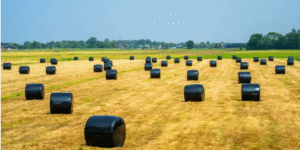 Bale wrap is a stretchable plastic film used to encase hay, silage, or straw bales, creating an airtight seal that protects fodder from spoilage. The primary purpose of bale wrap is to preserve the nutritional value of silage by reducing exposure to oxygen and moisture, which can lead to mould growth and fermentation issues. High-quality bale wrap ensures that feed remains fresh and nutritious for extended periods, making it a cost-effective solution for farmers across Australia.
Why is Bale Wrap Important in Australia?
Protecting Against Harsh Weather Conditions
Australia’s weather can be unpredictable, with extreme heat, heavy rains, and strong winds affecting stored fodder. Bale wrap offers a protective barrier that keeps moisture out while preventing the feed from drying out excessively.
Reducing Waste and Spoilage
Poorly stored silage can lead to significant feed loss due to mould and bacterial contamination. Bale wrap creates an anaerobic environment that halts spoilage, allowing farmers to maximise their fodder reserves.
Enhancing Feed Quality
Properly wrapped bales maintain high levels of nutrients and digestibility, ensuring that livestock receive optimal nutrition. It is particularly beneficial for dairy and beef cattle, which require consistent, high-quality feed.
Choosing the Best Bale Wrap in Australia
With various brands and types of bale wrap available, selecting the right one is crucial for efficiency and durability. Here are some key factors to consider:
UV Protection
Given Australia’s high UV radiation levels, choosing a bale wrap with UV stabilisers ensures longevity and prevents film degradation. Without proper UV resistance, the wrap can become brittle and ineffective over time.
Strength and Stretchability
A high-quality bale wrap should have excellent stretchability and puncture resistance. It ensures a tight seal around bales, reducing air pockets that can cause spoilage.
Thickness and Layers
Bale wrap typically comes in different thicknesses (e.g., 25-30 microns) and layers (3, 5, or 7 layers). A multi-layered wrap offers superior strength and protection, making it ideal for Australia’s harsh farming conditions.
Adhesion and Sealability
A good bale wrap should have strong adhesion properties to ensure an airtight seal. Poor adhesion can lead to air leaks, resulting in fermentation problems.
Environmental Considerations
Many Australian farmers are opting for eco-friendly bale wrap options, such as biodegradable films or recyclable plastics. These options help reduce plastic waste and align with sustainable farming practices.
Best Practices for Using Bale Wrap
To get the most out of your bale wrap, follow these best practices:
Wrap Bales Immediately After Harvesting
Delays in wrapping can lead to premature fermentation and nutrient loss. Wrapping within a few hours of baling helps preserve the quality of the silage.
Use the Right Number of Layers
Most experts recommend using at least 4-6 layers of wrap for adequate protection. In harsher conditions, using additional layers can provide extra security against environmental factors.
Store Bales in a Suitable Location
Place wrapped bales on well-drained ground away from sharp objects that could puncture the wrap. Properly stacking bales can also prevent damage and improve longevity.
Regularly Inspect Wrapped Bales
Check bales periodically for any punctures or damage. If any holes appear, patch them immediately with bale wrap repair tape to maintain the airtight seal.
Conclusion:
Bale wrap is an indispensable tool for Australian farmers, helping to maintain high-quality feed and reduce wastage. Choosing the right bale wrap involves considering UV protection, strength, thickness, and sustainability. By following best practices for wrapping and storage, farmers can ensure long-lasting and nutritious fodder for their livestock. As technology advances, the future of bale wrap in Australia looks promising, with more sustainable and efficient options becoming available to meet the needs of modern agriculture.