


Stockinette bags are a staple in various Australian industries, providing a practical and cost-effective packaging solution for diverse applications. Whether used in agriculture, meat processing, or industrial settings, these bags offer durability, breathability, and versatility.
In this article, we will explore the benefits of stockinette bags, their common uses, and why they remain a preferred choice in Australia. For more stockinette bags, check this out.
What Are Stockinette Bags?
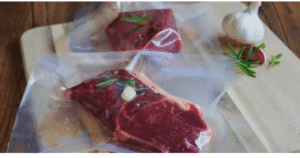 Stockinette bags are made from loosely woven cotton or synthetic fibres, creating a soft, stretchable fabric. Because of their breathability and ability to conform to various shapes, these bags are often used to package meat, firewood, and produce. They are reusable, biodegradable (when made from natural fibres), and ideal for industries requiring flexible and secure packaging solutions.
Uses of Stockinette Bags in Australia
Meat Processing Industry
One of the most common applications of stockinette bags in Australia is in the meat industry. Butchers and abattoirs use these bags to wrap meat carcasses, ensuring hygiene and protection during transportation. The breathable nature of stockinette bags helps maintain meat’s freshness while preventing condensation buildup, which can lead to spoilage.
Firewood and Kindling Storage
Stockinette bags are widely used for packaging firewood and kindling. Their stretchability allows them to hold varying amounts of wood securely, and their breathable design helps prevent mould growth by allowing moisture to escape. It makes them ideal for businesses supplying firewood to households and commercial establishments.
Agriculture and Produce Packaging
Farmers and produce suppliers use stockinette bags to store and transport fruits, vegetables, and nuts. The bags provide excellent ventilation, which helps preserve the freshness of perishable goods. Common agricultural uses include packaging potatoes, onions, and citrus fruits for market distribution.
Industrial and Commercial Applications
In addition to the food industry, stockinette bags are used in industrial applications to store and transport materials like scrap metal, rubber, and textiles. Their stretchable and durable fabric ensures that contents are securely enclosed, making them a reliable choice for various industrial needs.
Advantages of Using Stockinette Bags
Breathability and Ventilation
Stockinette bags allow air circulation, reducing the risk of moisture buildup that can lead to spoilage, mould, or bacterial growth. That makes them an excellent choice for perishable goods.
Eco-Friendly and Sustainable
Many stockinette bags are made from biodegradable cotton, making them an environmentally friendly alternative to plastic bags. Reusable and recyclable, they contribute to sustainability efforts and reduce waste in industries that rely heavily on packaging.
Strength and Durability
Stockinette bags are known for their strength and flexibility. They can hold heavy loads without tearing, making them a reliable option for packaging and transporting various materials.
Cost-Effective Solution
Compared to other packaging materials, stockinette bags offer an affordable solution for businesses. Their reusability and durability provide long-term cost savings, making them a wise investment for industries requiring frequent packaging solutions.
Where to Buy Stockinette Bags in Australia
Stockinette bags are widely available in Australia through specialty suppliers, wholesalers, and online marketplaces. Businesses can purchase them in bulk to meet their specific needs. Some reputable suppliers offer custom-sized stockinette bags to accommodate different industry requirements.
When purchasing stockinette bags, consider factors such as material quality, size, and supplier reliability. Reading customer reviews and comparing prices can help businesses find the best stockinette bags for their applications.
Stockinette Bags and Australian Regulations
Businesses using stockinette bags for food-related applications should ensure they comply with Australian food safety standards. The Australian Meat Industry Council (AMIC) and Food Standards Australia New Zealand (FSANZ) regulate packaging materials used in food industries. Choosing high-quality, food-grade stockinette bags helps maintain hygiene and meets industry regulations.
Conclusion:
Stockinette bags in Australia continue to be a valuable packaging solution across multiple industries. Their breathability, durability, and cost-effectiveness make them ideal for meat processing, agriculture, firewood storage, and industrial use. As businesses prioritise sustainability, stockinette bags offer an eco-friendly alternative to plastic packaging. Whether you’re a butcher, farmer, or supplier, investing in quality stockinette bags ensures reliable and efficient packaging for your products.
If you’re looking to purchase stockinette bags in Australia, explore local suppliers and online retailers to find the best options for your needs. With their versatility and benefits, stockinette bags remain an essential component of various industries nationwide.