


Understanding the Importance of Asbestos Testing
Asbestos was once widely used in commercial and industrial buildings due to its heat resistance and durability. However, it has since been linked to serious health risks, including lung diseases and cancer. It makes asbestos testing an essential practice for businesses in Adelaide, especially those operating in older buildings. Regular asbestos inspections can help identify and manage asbestos-containing materials (ACMs), nsuring a safe environment while also preventing costly liabilities.
Financial Risks of Ignoring Asbestos Testing
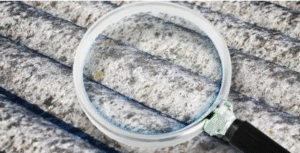 Failing to conduct regular asbestos inspections can lead to significant financial consequences for businesses. Some of the primary risks include:
- Legal Penalties and Fines – Many countries have strict regulations regarding asbestos management. If a business is found to be non-compliant with these regulations, it could face hefty fines and legal actions. Compliance with asbestos testing requirements helps avoid these penalties.
- Costly Lawsuits – Employees, customers, or visitors exposed to asbestos in a workplace may develop severe health conditions. If exposure is traced back to your business, you could be held legally responsible, leading to costly lawsuits and settlements.
- Expensive Emergency Remediation – When asbestos is discovered unexpectedly, businesses may have to halt operations and pay for emergency asbestos removal, which is significantly more expensive than planned, routine management.
- Loss of Business Reputation – If news spreads that your business has unsafe asbestos levels, it can deter clients and customers, impacting profitability. Proactively managing asbestos through regular inspections helps protect your reputation.
- Decline in Property Value – Buildings with unaddressed asbestos issues may suffer from decreased market value. It can be a major concern if a business owner plans to sell or lease a property in the future. Asbestos testing ensures that a building remains a valuable asset.
How Regular Asbestos Inspections Prevent Financial Losses
By investing in regular asbestos testing, businesses can mitigate these risks and save money in several ways:
1. Early Detection and Cost-Effective Management
Routine asbestos inspections allow businesses to detect ACMs before they become hazardous. If asbestos is identified early, it can often be managed in place with minimal disruption, rather than requiring costly full-scale removal. When asbestos is left undetected and deteriorates over time, fibres may become airborne, creating a serious health hazard that is expensive to remediate.
2. Compliance with Health and Safety Regulations
Regular asbestos testing ensures businesses in Adelaide meet regulatory requirements. By maintaining compliance, businesses can avoid expensive fines and demonstrate a commitment to workplace safety. Governments and occupational safety bodies impose strict regulations, and failure to comply may not only result in fines but also lead to forced business closure until corrective actions are taken.
3. Reduced Liability Risks
A structured asbestos management plan backed by regular testing minimises the likelihood of exposure and legal claims. Proper documentation of asbestos inspections can also serve as evidence that a business took necessary precautions to protect employees and customers. Businesses that prioritise asbestos safety are also more likely to receive positive recognition for their responsible practices.
4. Lower Insurance Premiums
Some insurance providers offer better rates for businesses that proactively manage asbestos risks. Regular asbestos testing and documented compliance with safety protocols can lead to reduced insurance costs over time. On the other hand, businesses without an asbestos management plan may face higher insurance premiums due to the increased liability risks.
5. Preventing Business Interruptions
When asbestos issues arise unexpectedly, businesses may be forced to shut down for remediation, leading to significant revenue loss. Regular inspections prevent such disruptions by ensuring that ACMs are properly managed before they pose a threat. Planned asbestos inspections and maintenance allow for control over timing and costs rather than being caught off guard by a sudden hazard.
6. Creating a Healthier Work Environment
Asbestos exposure is a well-documented cause of severe respiratory diseases. Businesses that prioritise asbestos testing demonstrate a commitment to their employees’ well-being. A safe and healthy work environment fosters better productivity, employee satisfaction, and retention. Workers are more likely to stay with a company that actively protects their health.
Conclusion
Regular asbestos testing is not just a regulatory requirement—it is a strategic financial decision that can save businesses thousands of dollars in fines, lawsuits, emergency repairs, and lost productivity. By proactively identifying and managing asbestos risks, businesses can ensure a safe working environment, maintain compliance, and protect their financial well-being. Investing in routine asbestos inspections today can prevent costly consequences in the future, making it a smart and essential practice for any responsible business owner. Additionally, businesses that implement proactive asbestos testing and management benefit from improved property value, stronger employee confidence, and a safer workplace. Prioritising asbestos safety is not just about avoiding risks—it’s about making a sound investment in the future of the business.